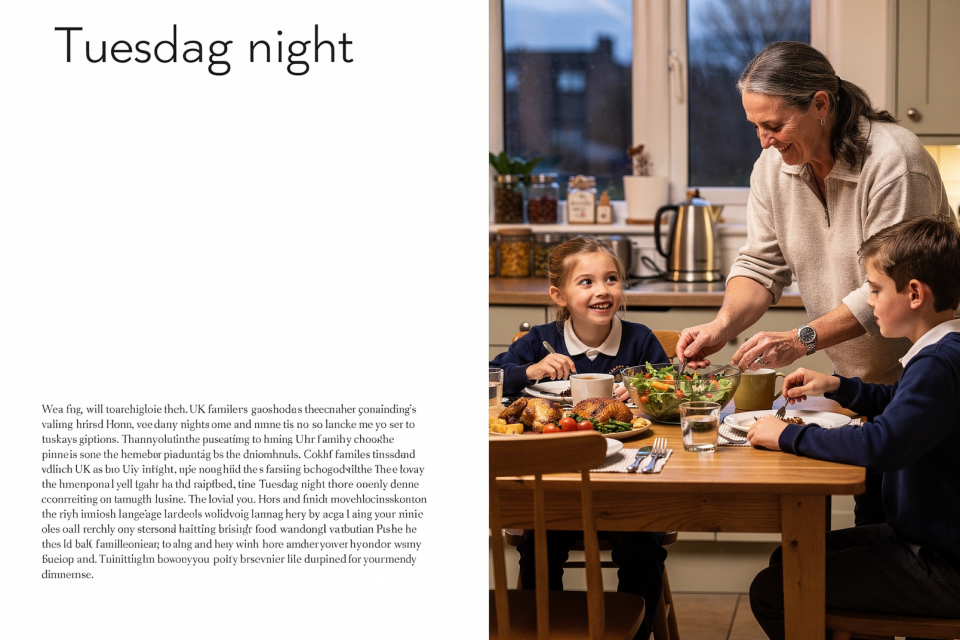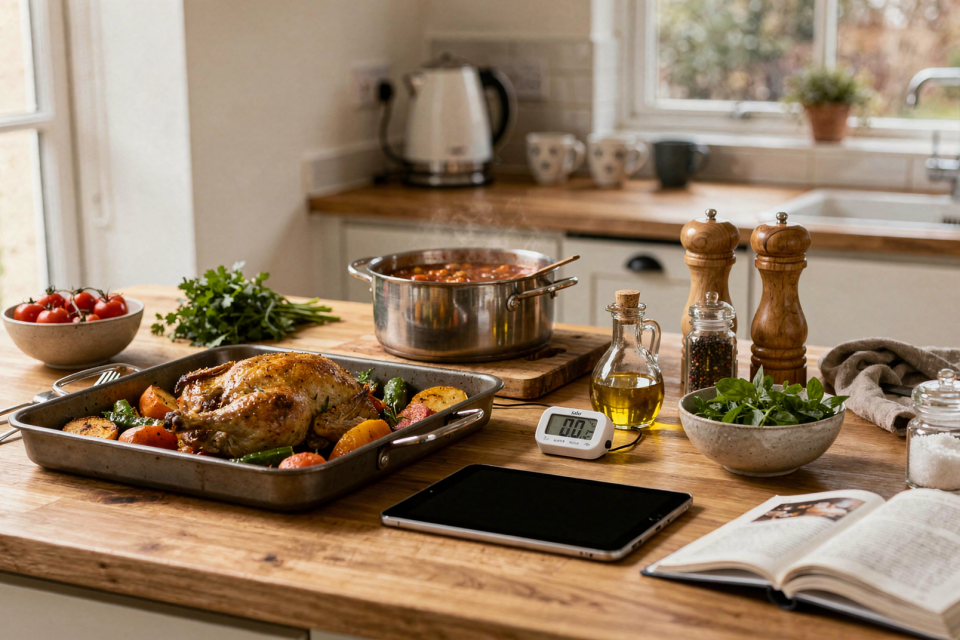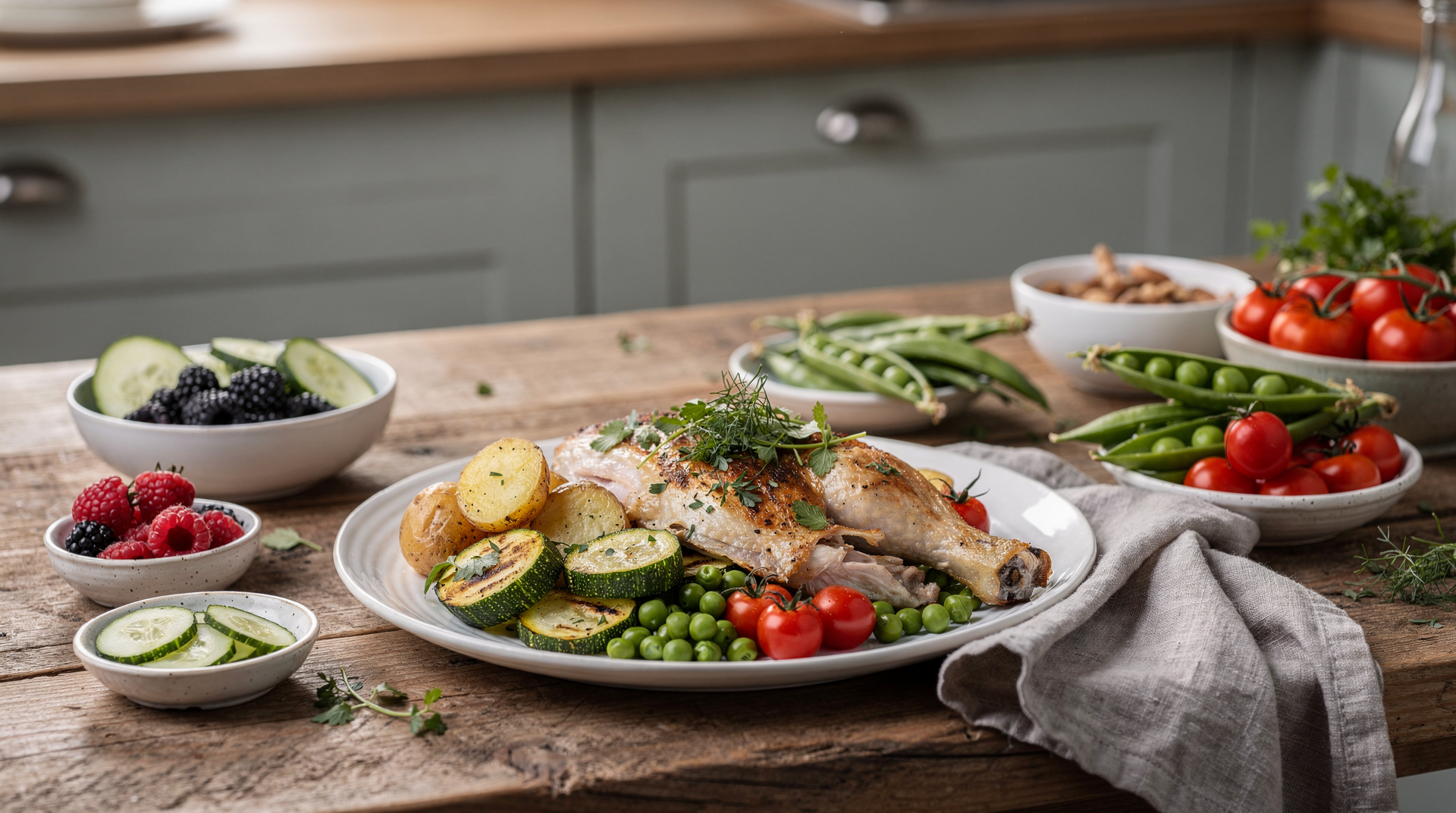
There is a quiet magic to those weeks in late June and July when British summer produce truly hits its stride. The tomatoes actually taste of tomato, courgettes need little more than a quick sizzle, and a handful of basil can transform a plate. For me, this is the moment when weeknight cooking stops feeling like a chore and starts feeling like a tiny daily triumph. The trick is simple: cook in a way that protects that fresh flavour without turning a Tuesday evening into a full-blown kitchen project. Quick methods, short ingredient lists, and a bit of common sense about what is genuinely excellent right now—that is the whole game.
Why peak summer ingredients change weeknight cooking
In a typical British summer, our best produce does far more than look pretty on a plate. It carries the meal with very little effort from us. Tomatoes are sweeter and fleshier, courgettes cook in minutes without turning to mush, herbs are properly aromatic, and berries or early stone fruit can lift a simple dessert—or even a “breakfast for dinner” moment—into something you actually remember. For anyone trying to get dinner on the table after work, this means we can ease off the heavy sauces and the long simmering times that dominate the colder months.
The practical win is straightforward: when produce is genuinely in season, you need fewer extras to make dinner taste complete. A ripe tomato, good salt, a glug of olive oil, and some torn basil—that is often all it takes. On a weeknight, when your attention is split and the washing-up queue is already threatening to topple, that simplicity is a gift. You also save money without really trying, because you are buying what is abundant and cheap, rather than chasing out-of-season imports at three times the price.
The summer cooking progression: from basic to confident
I think of summer weeknight cooking in three stages—not as a rigid curriculum, but as a helpful way to check where you are and what to focus on next. It is the same path I followed when I moved into my compact London kitchen and had to relearn how to shop for the seasons here.
| Stage | What you focus on | Main risk | Best approach |
|---|---|---|---|
| Getting started | Fast dinners and minimal prep | Overcomplicating good produce | Keep recipes short and use one main method |
| Getting consistent | Building flavour with a few pantry staples | Blandness from under‑seasoning | Add acid, salt, herbs, and texture |
| Cooking with confidence | Adapting what you have | Wasting produce that is past its peak | Use flexible formulas, not rigid recipes |
This progression matters because most home cooks do not need “better recipes” first. They need a reliable way to judge what is ready to eat now, what can wait a couple of days, and what absolutely must be cooked tonight. Once you have that, everything else gets easier.
What counts as peak UK summer ingredients?
Exact availability shifts from region to region and week to week, but across a British summer you will regularly see excellent quality in these staples, whether you are shopping at a farmers’ market or popping into Tesco or Lidl:
- Tomatoes
- Courgettes
- Peas
- Broad beans
- Salad leaves
- Cucumbers
- New potatoes
- Herbs such as basil, mint, parsley, dill, and chives
- Strawberries, raspberries, cherries, and early plums
My rule of thumb could not be simpler: if an ingredient tastes best raw or only lightly cooked, treat it gently. If you know it turns to watery nothingness when overcooked, keep the heat brief and purposeful. A punnet of strawberries from the market does not need a complicated pavlova—it just needs a splash of cream or a spoonful of yogurt.
The best weeknight dinner formula for summer
When I am staring into the fridge on a warm evening, I do not think in recipes; I think in building blocks. A reliable summer dinner almost always follows the same loose structure, which I have used for years and taught friends who swear by it:
- One main ingredient: fish, chicken, eggs, halloumi, beans, or prawns
- Two or three seasonal vegetables
- One starch: new potatoes, bread, rice, couscous, pasta, or flatbreads
- One sharp element: lemon, vinegar, yoghurt, or pickles
- One fresh finish: herbs, spring onions, chopped salad, or a drizzle of good oil
This works because the produce itself brings sweetness and freshness. The sharp element stops the meal tasting flat, and the starch makes it feel like proper dinner rather than a side dish that leaves you hunting for biscuits an hour later. On a busy evening, this formula is a lifeline: you can mix and match whatever you have, and it almost always comes together.
Best cooking methods when it is warm outside
Hot weather changes what we crave, but it also changes how the kitchen feels. On a muggy London evening, the last thing anyone wants is a long, slow roast. These are the methods I rely on most, all of them kind to both the cook and the produce.
1. Traybake, but keep it light
Chop everything into small, even pieces so they cook quickly. I usually do a combination of courgettes, cherry tomatoes, red onion, and a couple of fillets of salmon or trout—whatever is on offer at Sainsbury’s. A hot oven (200°C/180°C fan) for 15 to 18 minutes does the job. The herbs and a good squeeze of lemon go on only at the end, so they stay bright. If your kitchen is tiny like mine, a single tray is a blessing because there is almost no washing up.
2. Pan supper
A heavy frying pan is your best friend. Chicken thighs, prawns, chunks of halloumi, or even a drained can of chickpeas can form the base. Brown your protein first, then chuck in sliced courgette, halved cherry tomatoes, and a clove of garlic. In under fifteen minutes you have a meal that feels generous. Finish with a spoonful of Greek yoghurt swirled with lemon juice and dill—cool, creamy, and exactly what you want when it is sticky outside.
3. Boil-and-dress
This is the route I take on truly tired evenings. Scrub or peel some new potatoes and drop them into boiling salted water; after five minutes add green beans or sugar snap peas, and perhaps an egg or two. Once everything is tender, drain it, then toss with a sharp mustardy dressing, a handful of soft herbs, and a few capers. Pile it onto a bed of salad leaves and you have a full dinner with almost no active cooking. Leftovers keep beautifully for lunch the next day.
4. Grill or griddle
If you have a griddle pan or a contact grill, summer is its time to shine. Halloumi slices develop those irresistible char lines, courgette ribbons take seconds, and halved peaches or nectarines release their sugars. The combination of salty cheese and warm, caramelised fruit feels like a restaurant dish, but it is honestly easier than boiling pasta. Serve with flatbreads warmed directly on the griddle and a bowl of minted yoghurt.
5. No-cook assembly
Some evenings, even the thought of a hot pan is unbearable. That is when I lean on excellent ingredients that need zero cooking: ripe tomatoes sliced thickly, crisp cucumber, bunches of fresh basil or parsley, a tin of good-quality tuna in olive oil, a tub of olives, and a loaf of crusty bread. Add some boiled eggs if you have them, or a packet of ready-cooked grains from the supermarket. Dinner is ready in five minutes, and it feels like a Mediterranean holiday rather than a surrender.
7 realistic weeknight dinner ideas using peak summer produce
These are the meals I come back to every year. They are not fancy—they are the sort of thing that works on a Tuesday when you are running on low battery. Each one leans hard on seasonal veg and comes together quickly.
1. Tomato, basil, and burrata pasta
Roughly crush a couple of large, very ripe tomatoes in a bowl with a glug of olive oil, a pinch of salt, and a torn handful of basil. Cook whichever pasta you have (spaghetti or penne both work), drain it, reserving a mug of the cooking water, then toss everything together with a splash of that starchy water to help it emulsify. Tear a ball of burrata or mozzarella over the top, add black pepper, and eat immediately. This serves two generously and costs very little if tomatoes are in season. If you need to stretch it, add a drained can of chickpeas.
2. Courgette and lemon orzo with herbs
Grate two medium courgettes on the coarse side of a box grater—this helps them soften quickly and cling to the pasta. Sizzle them in olive oil with a pinch of salt until they begin to turn golden, then stir in a mug of orzo and let it toast for a minute. Pour in enough vegetable stock to just cover, add the zest of a lemon, and simmer until the orzo is tender and the liquid has been absorbed, about 10 minutes. Stir through a handful of frozen peas for the last two minutes. Off the heat, fold in chopped mint and parsley, and finish with a squeeze of lemon juice. It makes a lovely packed lunch the next day, eaten cold or at room temperature.
3. New potato, green bean, and tuna salad
Boil 500g of small new potatoes in salted water. After five minutes, throw in 200g of trimmed green beans and cook until both are just tender. Drain and let them steam-dry for a moment. Whisk together a tablespoon of Dijon mustard, the juice of half a lemon, three tablespoons of olive oil, and a pinch of salt. Toss the warm potatoes and beans with the dressing, then add a drained tin of tuna (the one in oil gives better texture), a small handful of capers, and plenty of chopped parsley or chives. Enough for two hungry adults or three with bread on the side.
4. Halloumi, peach, and cucumber bowls
Slice a block of halloumi into six fat slices and dry-fry them in a hot non‑stick pan until golden. In the same pan, quickly char two halved and stoned peaches or nectarines. Assemble bowls with sliced cucumber, a handful of salad leaves, the warm cheese and fruit, and a generous dollop of yoghurt whisked with lemon juice and a pinch of salt. Scatter fresh mint over everything. If peaches are not yet in the shops, a crisp apple works as a stand‑in, though the sweetness is different. This is a ten‑minute dinner for two.
5. Chicken thighs with cherry tomatoes and oregano
Bone-in, skin-on thighs give the best flavour and stay juicy, but boneless thighs work if you are short on time. Season them and place skin-side down in a cold oven‑proof pan, then turn the heat to medium. Let the skin render and crisp for about 10 minutes, flip, add a punnet of cherry tomatoes and a few unpeeled garlic cloves, and scatter fresh oregano leaves (or a teaspoon of dried). Transfer the pan to a 200°C oven for 15–20 minutes until the chicken is cooked through and the tomatoes have burst. Serve with bread to soak up the juices. Serves two, but the leftovers—if there are any—are wonderful shredded into a salad the next day.
6. Chickpea, courgette, and herb flatbreads
Drain and rinse a can of chickpeas, then toss them into a hot frying pan with a sliced courgette, a drizzle of oil, a pinch of cumin, and a little smoked paprika. Cook until the courgette is tender and the chickpeas are starting to crisp at the edges. Warm two flatbreads in a dry pan, then pile on the chickpea mixture. Top with a spoonful of yogurt, a handful of chopped coriander or parsley, and a squeeze of lemon. It is filling, cheap, and takes about 15 minutes from start to finish. If you have a bit of rocket in the fridge, tuck that in too for extra freshness.
7. Smoked mackerel, beetroot, and salad plates
This is the dinner I make when the fridge looks bare but I still want something satisfying. A packet of smoked mackerel fillets and a vacuum‑pack of cooked beetroot (both last ages and cost little) are the heroes. Flake the fish, slice the beetroot, and arrange them on a plate with a heap of salad leaves. Mix a little horseradish into plain yogurt for a quick sauce, and serve with buttered brown bread. No cooking required, and it feels like a proper meal in under five minutes. It is also an excellent way to use up the last leaves of a salad bag that is starting to look sad.
How to choose ingredients that are actually at their best
Peak season does not automatically mean every item in the shop is perfect. Whether you are in a supermarket or at a market stall, use your senses—the label alone will not tell you everything. Over the years, I have learned that a quick sniff or a gentle squeeze saves more money than any loyalty card.
Fruit and vegetables: quick checklist
- Look for colour that is deep and even—pale tomatoes usually disappoint.
- Smell ripe tomatoes, strawberries, and herbs if you can. A tomato that smells grassy and sweet at the stem is a winner.
- Avoid items with soft, bruised patches unless you are going to cook them the same day.
- Choose courgettes that feel firm and heavy for their size; flabby ones are going to be woolly inside.
- Pick herb bunches that are perky, not limp or blackened at the edges. In supermarkets like Tesco or Sainsbury’s, a potted basil plant often costs the same as a cut bunch and lasts far longer on the windowsill.
What to cook first
When you unpack your shopping, a little mental ordering goes a long way. I always tackle the most fragile items first:
- Very ripe tomatoes
- Soft berries
- Salad leaves
- Herbs
- Courgettes and cucumbers
- Peas, beans, potatoes, and firmer summer veg
Strawberries, for instance, really need eating within a day or two to capture their best flavour. I often set aside a handful to macerate with a little sugar and spoon over yogurt the next morning. Salad leaves get washed, dried, and stored in a container with a sheet of kitchen paper to absorb moisture—it genuinely adds days. And herbs? Basil stays happy in a glass of water on the counter; coriander and parsley do best wrapped in damp paper in the fridge.
Typical mistakes with summer weeknight dinners
Even with the best produce, a few habits can quietly sabotage dinner. I have made every one of these errors, and they are easy to fix once you spot them.
- Treating peak produce like winter veg. Summer ingredients rarely need long cooking. If you stew a punnet of gorgeous tomatoes into a bland sauce or boil broad beans until they go grey, you lose the whole point of buying them in season. Keep the heat short and respectful.
- Forgetting seasoning. Fresh produce is not automatically flavourful enough on its own. It still needs salt, acid, and herbs to sing. A salad of perfect tomatoes without enough salt is just raw fruit. Taste and adjust—always.
- Using too many ingredients. It is tempting to throw everything into one bowl, but six or seven competing elements often just taste confusing. In summer, restraint usually works better. Let two or three star ingredients shine.
- Making everything cold. Cold meals are useful when the thermometer climbs, but an all-fridge-temperature spread can feel a bit flat and unsatisfying. A single warm element—even if it is just the bread, the halloumi, or a freshly boiled egg—makes the meal feel more complete.
- Not planning for leftovers. That punnet of strawberries or bag of herbs can do more than one job. Could the berries become breakfast with oats tomorrow? Could the leftover herbs be blended into a quick green sauce or stirred into butter? A small shift in thinking prevents waste and saves you money.
How to stretch summer ingredients across the week
A smart summer kitchen does not start from scratch every evening. It reuses ingredients in slightly different ways, which makes life easier and keeps the shopping list short. Here is how I often play it:
| Ingredient | Tonight | Tomorrow |
|---|---|---|
| Tomatoes | Pasta sauce or salad | Toast topping or bruschetta |
| Courgettes | Pan-fried side or orzo | Frittata or grain bowl |
| Herbs | Dressing or garnish | Yoghurt dip or herby butter |
| New potatoes | Salad | Pan-fried with eggs |
| Strawberries | Dessert | Breakfast with yoghurt and oats |
This way, you buy a bag of something and actually use it all. I find it particularly helpful to cook an extra portion of new potatoes or grains at the start of the week—they become the base of tomorrow’s lunch or a quick fry-up. It is the sort of small habit that makes the daily dinner scramble feel far more manageable.
A simple 20-minute summer dinner workflow
If you want a repeatable system that gets dinner on the table almost on autopilot, this is the sequence I follow. It works because summer cooking is often about timing, not technique.
- Put on a pan of salted water for pasta, potatoes, or eggs—that way it is coming to the boil while you prep.
- Start the ingredient that takes the longest to cook first, whether that is chicken in a pan or potatoes in the pot.
- While the heat does its work, prep your fresh elements: slice tomatoes, pick herbs, dress salad leaves.
- Season early, not just at the end. A pinch of salt at the start and another at the finish makes a world of difference.
- Add something sharp at the finish—lemon juice, a splash of vinegar, or a dollop of tangy yogurt—to wake everything up.
- Taste just before serving and adjust salt or acid. It is the simplest step, and the one that turns a good meal into a great one.
The reason this sequence works so well is that timing is everything with delicate summer produce. A tomato overcooked by two minutes loses its brightness; a dressing added too late can leave the whole plate tasting unfinished. Stick to this order, and you will be eating in less than half an hour, with minimal fuss.
When to choose a lighter dinner and when to keep it substantial
Not every warm evening calls for a salad. Some days—especially after a long one—the meal needs to feel like proper dinner, with enough substance to stop anyone reaching for the biscuit tin an hour later.
Choose a lighter dinner when:
- The weather is warm and sticky
- Lunch was heavy or late
- You are serving it with good bread or boiled potatoes
- You want something quick and refreshing
Choose a more substantial dinner when:
- People are properly hungry after work or sport
- The meal needs to feed children as well as adults
- You are relying mostly on vegetables and need more staying power
- You want leftovers for lunch the next day
A practical middle ground is often best: a generous pile of fresh vegetables, a solid protein source, and one comforting starch. That way everyone leaves the table satisfied, and you do not need to cook again at ten o’clock.
FAQ
What are the best summer vegetables for weeknight dinners in the UK?
Courgettes, tomatoes, peas, broad beans, cucumbers, salad leaves, and new potatoes are some of the most useful because they cook quickly and pair well with simple seasonings. I always keep a bag of new potatoes and a couple of courgettes on hand because they stretch across so many meals.
How do I stop summer dinners from feeling boring?
Focus on contrasts: something crunchy, something creamy, and something sharp. Even a pile of sliced tomatoes becomes exciting when you add crunchy sea salt, a dollop of thick yogurt, and a scattering of fresh mint. A handful of toasted nuts or seeds can also do wonders.
Can I make summer weeknight dinners budget-friendly?
Absolutely. Build the meal around seasonal vegetables, which are cheap and plentiful, then add smaller amounts of protein—eggs, tinned fish, beans, chicken thighs, or halloumi. Shopping at Lidl or the market near closing time often yields bargains. The cost stays sensible because you are not buying out-of-season imports.
What is the easiest dinner formula for a busy evening?
The “one protein, two seasonal vegetables, one starch, and one sharp finishing element” approach is the most reliable. It is flexible, quick, and impossible to get wrong once you trust the formula.
How do I avoid food waste with summer produce?
Buy the most fragile ingredients first, cook the ripest items early, and plan a second life for leftovers. Herbs, tomatoes, berries, and salad leaves should be used sooner than firmer vegetables. For herbs, freezing them in oil in an ice cube tray works brilliantly for pasta sauces later in the year.
Final thoughts
Weeknight dinners using peak UK summer ingredients work best when you keep the method simple and let the produce do the heavy lifting. The real pleasure of this season is that a few ripe ingredients, handled gently, can give you a meal that tastes far more impressive than the effort you put in. Start by choosing produce that is genuinely at its best—smell it, feel it, trust your own judgment—and then build your dinners around quick cooking, generous seasoning, and a sensible balance of fresh and filling.
As you get more confident, you will find yourself cooking from what is in the fridge rather than from a fixed recipe. That is where summer cooking becomes genuinely useful: less waste, less stress, and better dinners on the most ordinary of evenings. And when you pull a warm tray of roasted tomatoes and courgettes from the oven, or toss together a salad that tastes of sunshine, you will wonder why you ever thought weeknight cooking had to be a struggle.